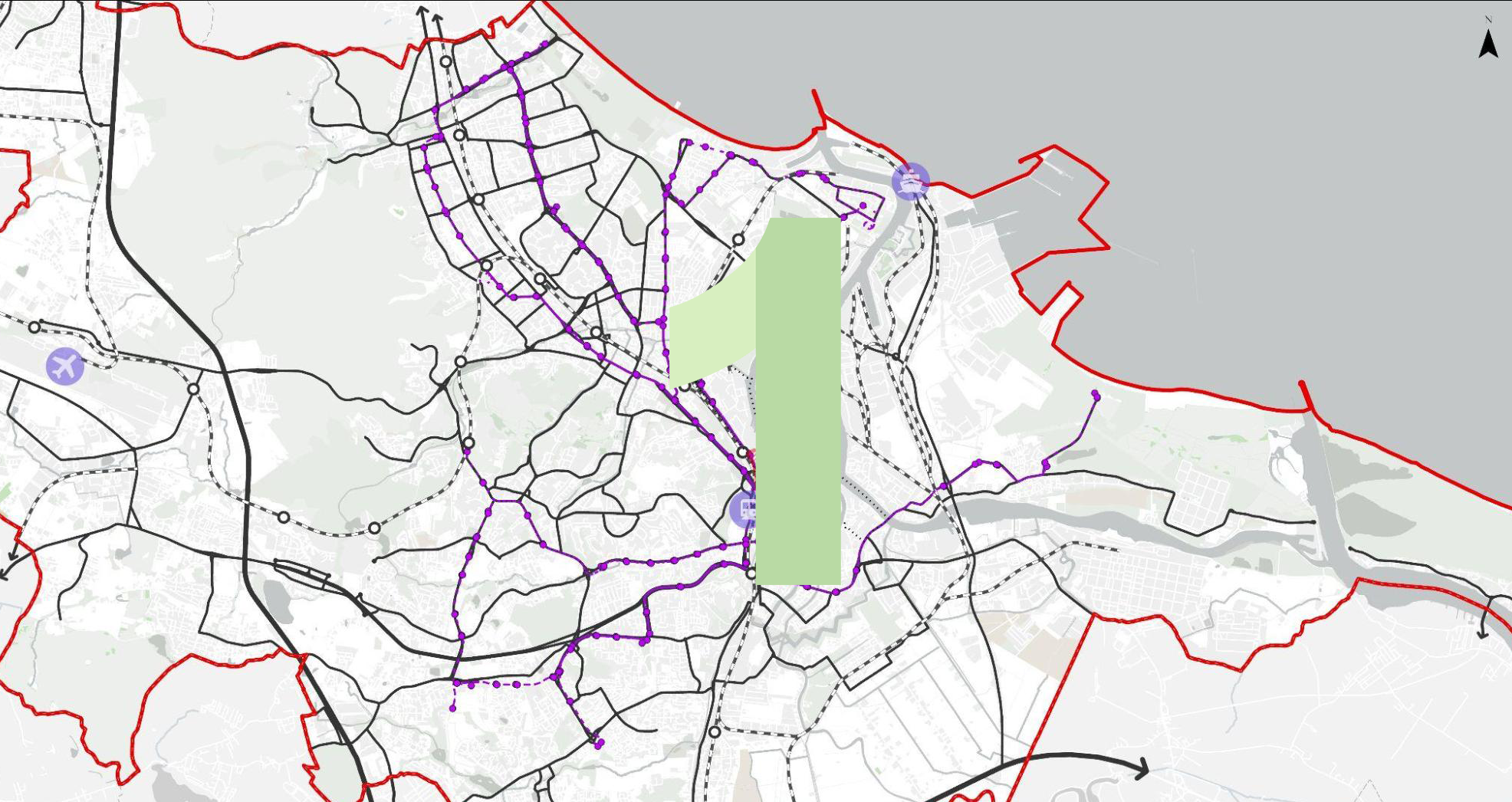
ULL Shipyard Gdansk
Mapping Planning Instruments in the Context of the 15-minute City for the Post-Shipyard Areas
The first phase of the project focuses on analysing and mapping existing planning instruments for their application in the context of 15-minute city planning. It is divided into four smaller parts to best understand both the terrain and how existing tools can be used in Urban Living Lab.
See the Effects of Each Step in this Section

Context
Exploration

Analysis of
Planning
Instruments

Social
Participation

Opportunities of
15-minute City Planning Tools
Context Exploration
Based on the analyses performed, the specificity of the post-shipyard space was determined, taking into account the social context and the relevant spatial context
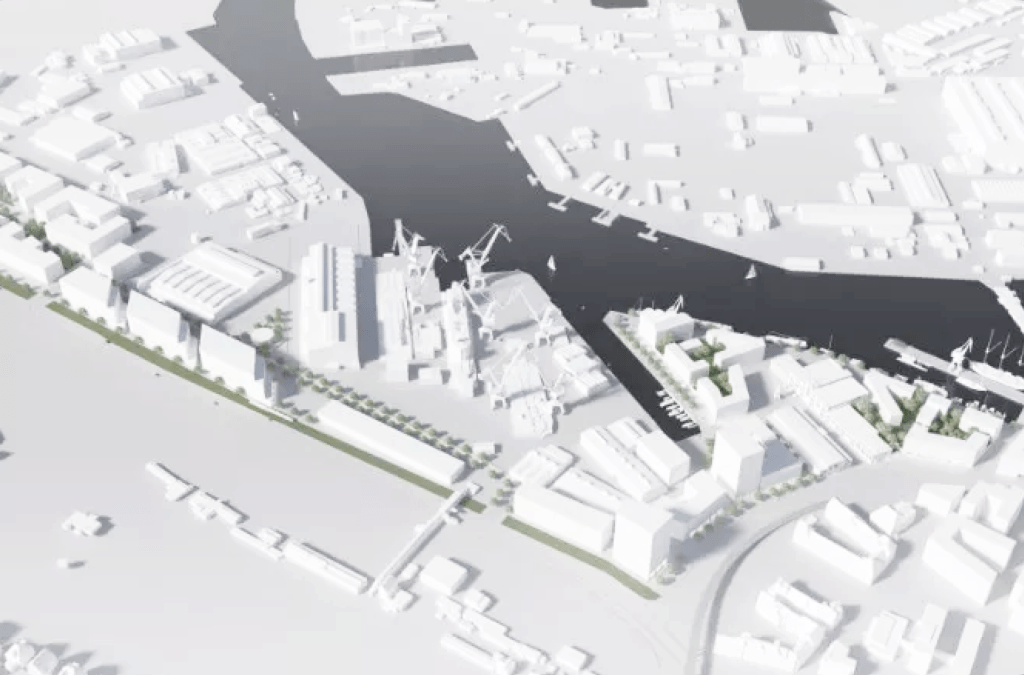
This part examines the location and spatial relations of the former shipyard areas, as well as the social issues related to the development of these areas. In addition, the city policy in the context of the former shipyard areas and the transformation of post-industrial areas in other countries is analyzed.
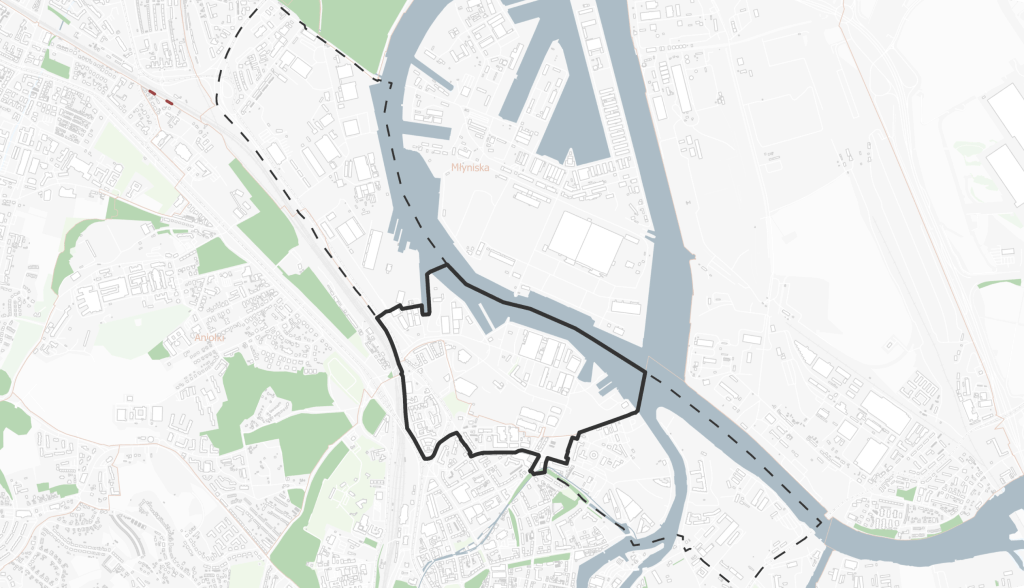
Determination of the location and spatial relations of the post-shipyard areas
In order to explain the location of the selected area and its spatial relations, a series of urban analyses were performed at various scales, from the metropolitan to the immediate vicinity. Functional, historical and communication analyses were carried out to show the factors that indicate the unique potential of the post-shipyard area.
Defining social issues related to the development of the post-shipyard areas
In order to best define social issues, the previous participatory processes were analyzed, including drawing conclusions from other documents or initiatives related to the shipyard. In addition, a detailed review of completed and planned investments in the former shipyard areas was conducted to examine the current needs of residents in this area.
Analysis of city policy in the context of the post-shipyard areas
The transformation of the former shipyard areas is an important element of Gdańsk’s urban policy. It is clearly defined in planning and strategic documents and aims to revitalize former industrial areas and integrate them with the modern, multifunctional urban layout of the city, which is summarized in this section.
The context of transformations in other cities
The transformation of waterside areas, especially post-industrial areas, has become one of the key challenges of contemporary urban planning. Therefore, several model cities were selected, where various activities of this type were carried out and a detailed analysis was prepared, focusing on the issues raised in the project.
Analysis of Planning Instruments
The analyses revealed 15-minute city planning instruments that can be used in shaping concepts for the Gdansk post-shipyard areas
In this step, based on the literature, a tabular description of the instruments was prepared, along with examples of their use, and the issue of operational urban planning was presented. An extended and critical analysis was prepared concerning the instruments of managing the development of the city, with particular emphasis on planning instruments in terms of the specificity of the post-shipyard areas.
Review of literature and conference records on the so-called operational urban planning
The scope of activities covered by the issue of operational urbanism is presented and its concept in various literature texts is explained. The full set of planning instruments related to the shaping of the modern city, including the 15-minute city and its public spaces, is characterized.
Analysis of city development management instruments
Master plans play a key role in managing spatial development, integrating diverse urban functions and sustainable development of regions. This section discusses contemporary examples of both European and Polish practices in relation to masterplanning.
Critical analysis of the above-mentioned instruments in terms of the specificity of the post-shipyard areas
The main focus was on the issue of the master plan. The districts emerging on the basis of the master plans for the post-shipyard areas are characterized, and the strengths, limitations and adaptive potential of the master plans for the post-shipyard areas are analyzed.
Indication of the 15 mC planning instruments to be used in shaping the concept for the post-shipyard areas
Achieving the goals of the 15-minute city concept requires coordination and integration of activities. Based on the analyses conducted, the use of non-statutory instruments, such as master plans, was proposed, but the importance of social participation was also cited.
Social Participation
The recommended forms and scope of participatory processes in the process of shaping public spaces for the purposes of building a 15-minute city in the
post-shipyard areas were indicated
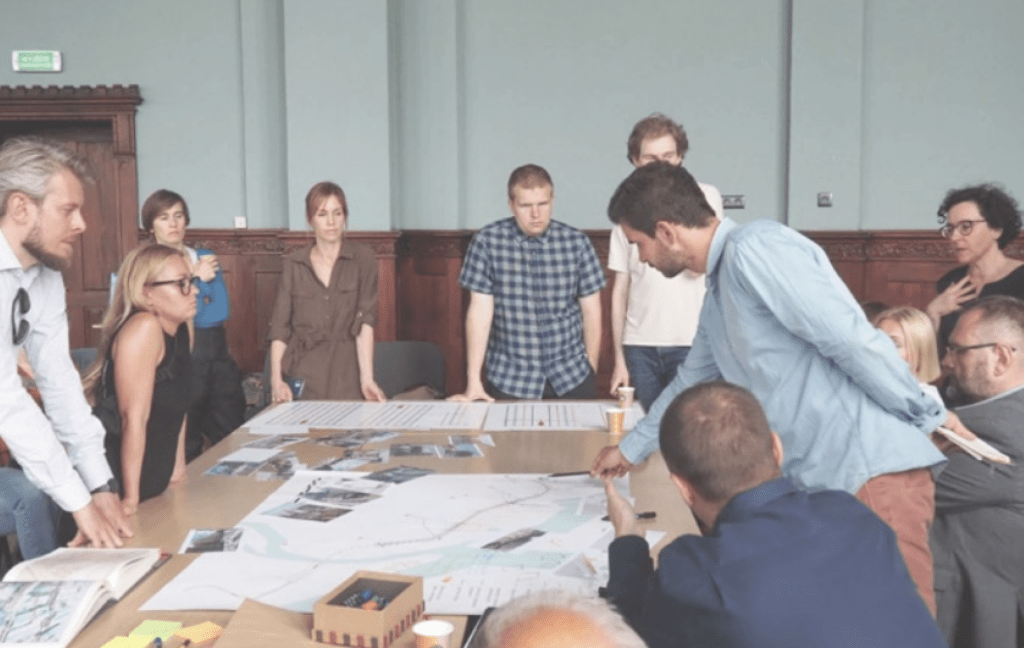
Here, possible forms of participation, consultations with residents or users of the post-shipyard areas were analyzed. The specificity of participation processes in the post-shipyard areas was characterized and critically assessed in the context of the processes already carried out and the pre-defined specificity of the area.
Analysis of possible forms of participation with users of the post-shipyard areas
Existing participation tools were analyzed. The general concept of participation was characterized in terms of its constitutive features, currently used tools and their possible application in the context of further development of the post-shipyard areas was indicated.
Determining the specificity of participatory processes in the former shipyard areas
The shipyard areas, due to the long duration of the transformation, were covered by a significant number of different activities that can be classified as participatory. These activities were presented and grouped depending on the party initiating these activities.
Critical analysis of predefined forms of participation in the specificity of post-shipyard areas
The main challenges for participation in the post-shipyard areas are related to the previously mentioned conditions for the transformation of the shipyard area. The defined forms of participation were analyzed in terms of the post-shipyard areas.
Indication of recommended forms of participatory processes in the space shaping process
Taking into account the criteria for effective public dialogue analysed at the beginning, a list of recommended actions was drawn up in the process of shaping public spaces for the purposes of building a 15-minute city in the former shipyard areas.
Opportunities of 15mC Planning Tools
The last part, through a summary, connects planning and implementation instruments with participation and correlation and indicates various technologies in the context of their development
Based on the previous parts, predefined planning instruments were indicated and possible correlations of forms of participation with the aforementioned planning instruments were presented in tabular form. In addition, the possibilities of using various technologies were determined, possible directions of shaping, developing and using the indicated instruments in the process of planning the 15-minute city.
Preliminary indication of planning instruments
Under development …………………………………………………………………………………………………………………………………………………………………………………………………………………………………………………………………………………………………………………………………………………………………………………………………………………………………………….
Defining possible forms of correlation between planning instruments and participation
Under development …………………………………………………………………………………………………………………………………………………………………………………………………………………………………………………………………………………………………………………………………………………………………………………………………………………………………………….
Determining possible directions for shaping the indicated instruments in the 15 mC planning process
Under development …………………………………………………………………………………………………………………………………………………………………………………………………………………………………………………………………………………………………………………………………………………………………………………………………………………………………………….
Determining the possibilities of using different technologies
Under development …………………………………………………………………………………………………………………………………………………………………………………………………………………………………………………………………………………………………………………………………………………………………………………………………………………………………………….




 ENACT 15 mC