ULL Valencia Escuelas de Artesanos & Architecture Master
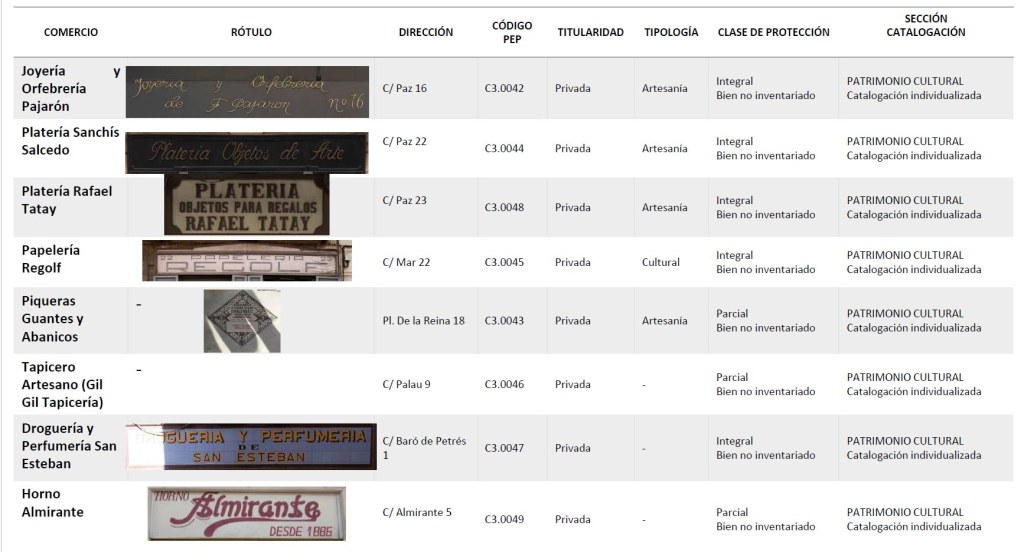
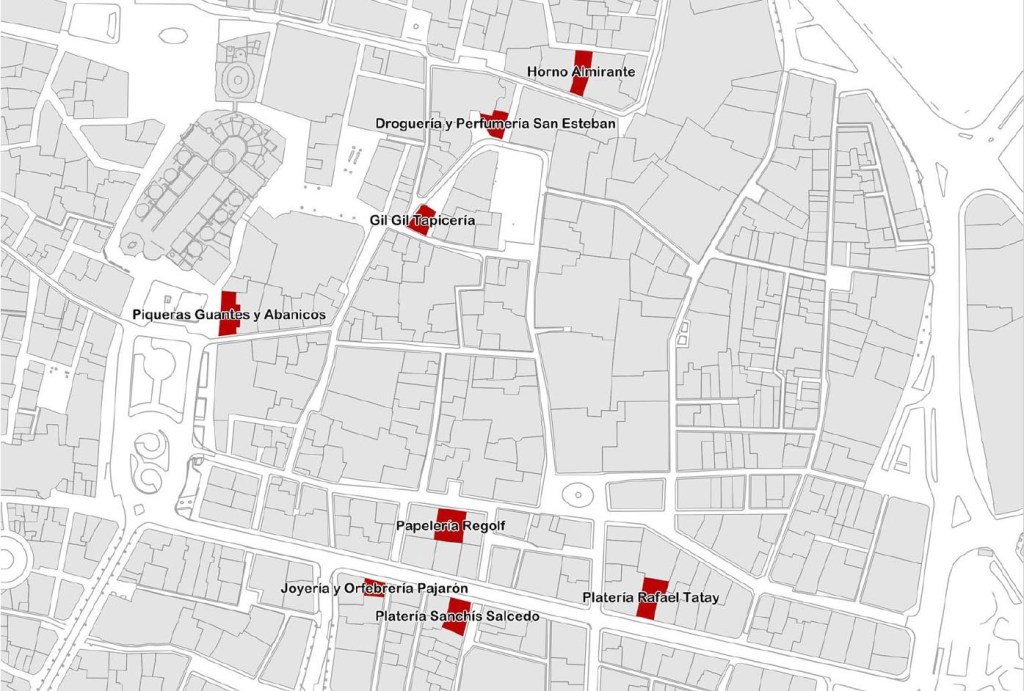
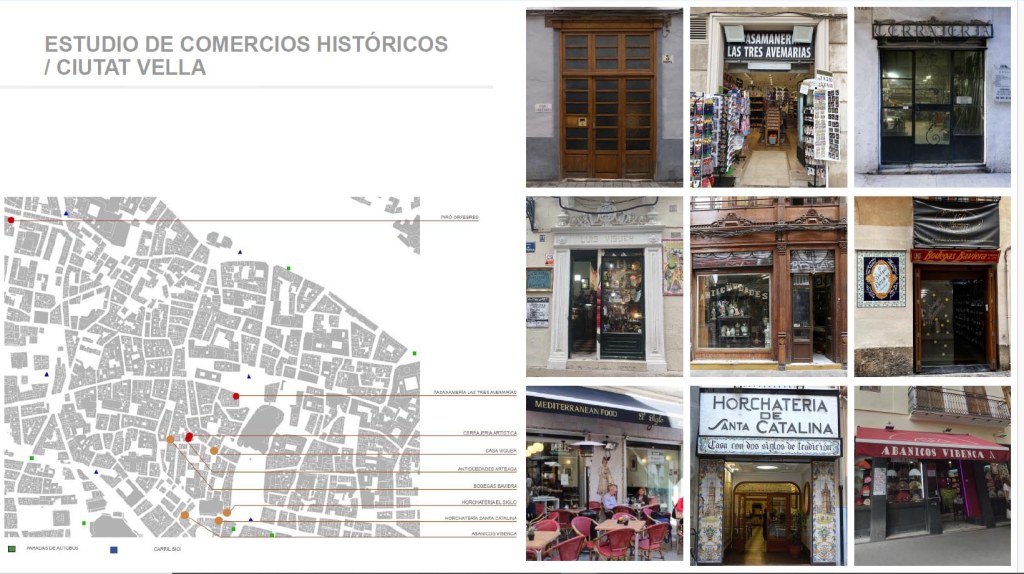
In collaboration with a group of students from the higher-level modules in Tourism and Market Research, an activity was carried out focusing on a very particular type of commerce found in the historic city centre: the Emblematic Shops listed in the Special Protection Plan (PEP) for Ciutat Vella. These businesses are diverse, ranging from old bookstores, artisanal fan makers, and textile shops, to sewing machine vendors, wicker and basketry artisans, goldsmiths, and shops specialising in traditional Valencian clothing, among many others. The owners of these businesses are often not only proprietors of the commercial premises but also of surrounding properties, giving them a comprehensive perspective on the challenges they face as residents, property owners, and businesspeople.
The methodology used was Participatory Action Research (PAR), aimed at fostering a relationship of mutual trust between researchers and participants. This approach enhances social awareness around heritage protection by establishing an active and empathetic dialogue between the educational community and its social environment. The use of PAR within the educational context aligns closely with the ENACT-15mC project, which, as its name suggests, envisions neighbourhoods and co-creates prosperous communities within the framework of 15-minute cities.
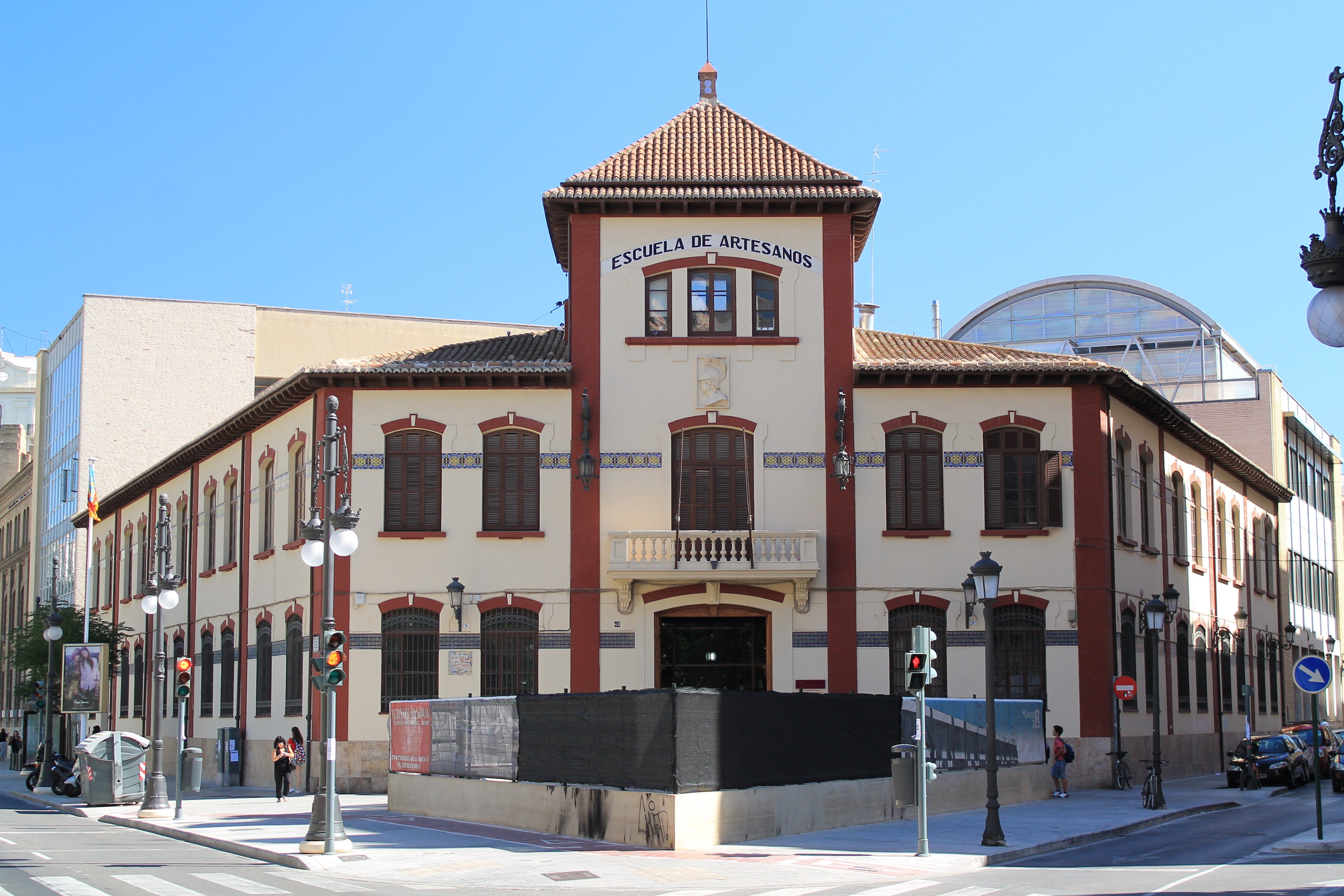
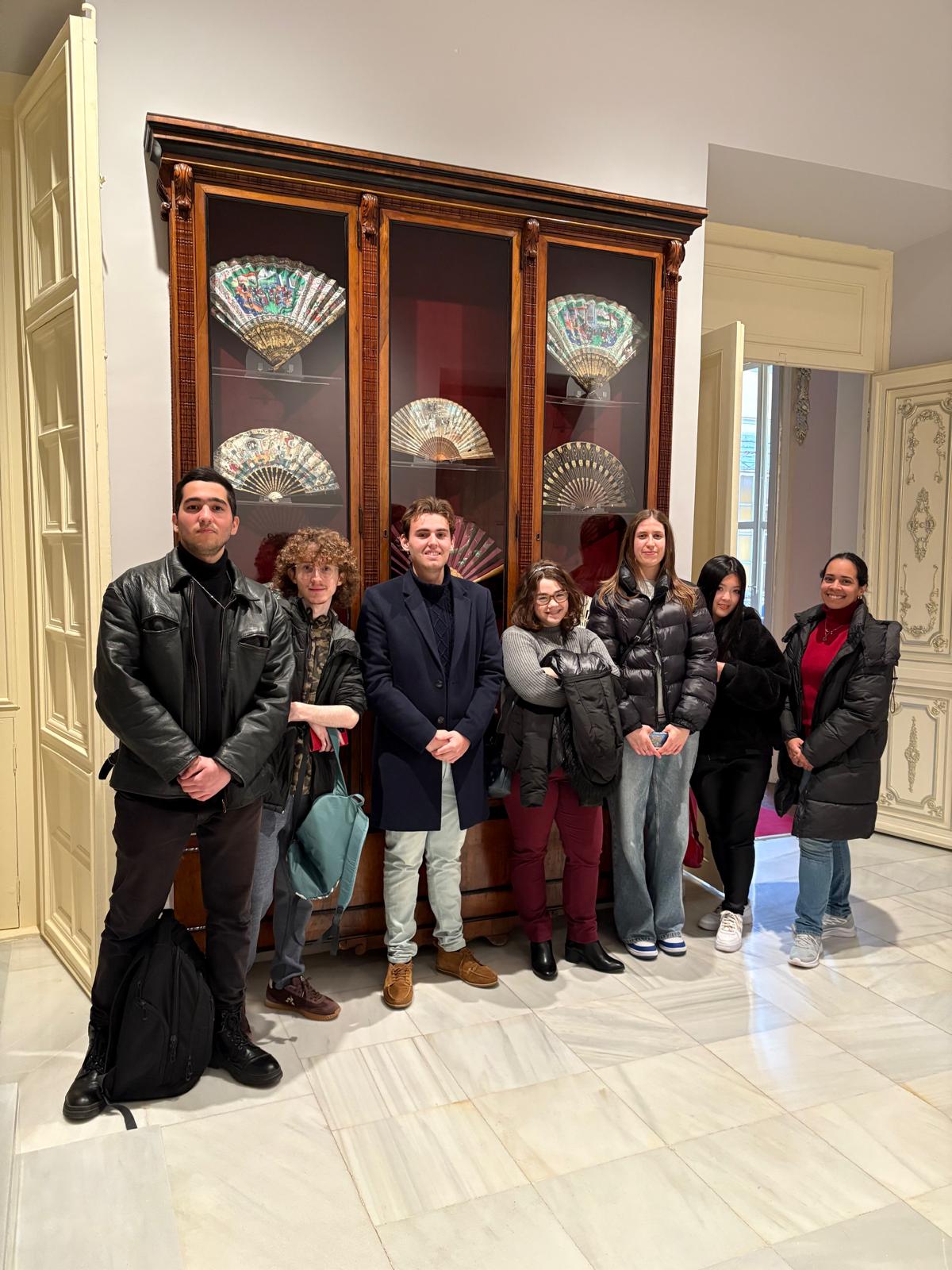
The first phase was carried out by a group of seven students from the “Structure of the Tourism Market” module in the higher-level programme in Tourist Information and Assistance. It consisted of designing a historical-commercial itinerary including four or five businesses selected from the 49 emblematic establishments listed in the Special Protection Plan Catalogue. The second phase was conducted by a group of eighteen students from the “Market Research” module in the higher-level programme in Sales and Commercial Space Management. It consisted of performing a socio-economic diagnostic study of the shops selected by the previous group, and expanding that selection where possible. With the help of their instructors, the students designed a survey to be administered to the shop owners, including preliminary general questions to foster mutual trust. The specific questions aimed to help characterise each business and gather information on its history, as well as more day-to-day aspects of commercial life in the city centre.
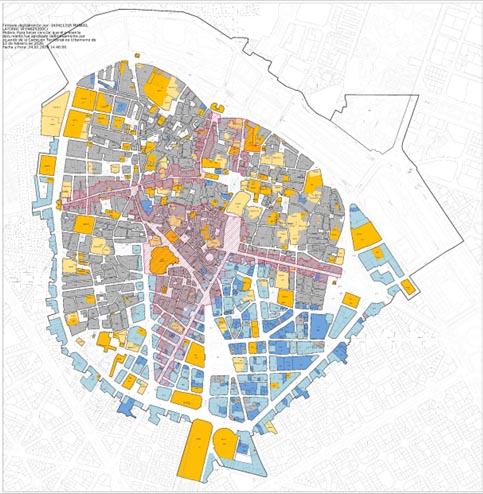
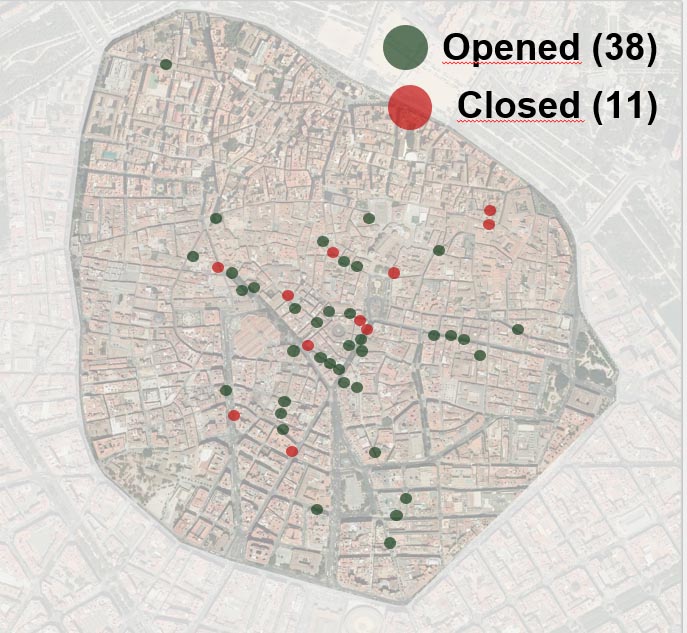
It was confirmed that 12 of the 49 emblematic establishments listed in the Special Protection Plan have disappeared to date. Of the 37 remaining, a sample of 10 was selected based on student availability and the business opening hours. Although the remaining 27 shops did not complete the survey, an initial assessment was conducted to determine which are still open to the public and may be surveyed in the near future.
The students collected sufficient data, and in most of the cases studied, several consistent response patterns were identified. Respondents were asked specific questions to help characterise their businesses — such as the age of the establishment, opening hours, and sales volume by time of day — as well as their views on the current situation and trends affecting historic businesses, their relationship with tourism, and whether they receive any kind of support or subsidies as owners of emblematic shops.
Age of the business
Among those surveyed, four businesses have been operating since the 1950s (currently run by the third or fourth generation of the founding families), and two date back to the 1910s. All of these still retain their original furnishings and interior design. Only one business dates to the final third of the 19th century. The remaining three are recently established ventures.
Use of websites and social media
Only four respondents reported having an active website. Three others maintain a social media presence, mainly on Instagram, although they admitted to using it infrequently. The remaining three have neither a website nor social media accounts. Most acknowledged not having adapted to the digital world.
Sales volume
It was not possible to identify a clear consumer pattern or a typical customer profile. However, in general, artisanal businesses offering more specialised products tend to report lower sales volumes. Most businesses indicated that their highest sales occurred between 12:00 and 14:00, and again from 18:30 until closing time.
Relationship between historic businesses and tourism
Respondents overwhelmingly stated that tourism is harming traditional and artisanal commerce in the historic centre due to growing pressure: rising rental prices, lack of generational succession, and tax burdens.
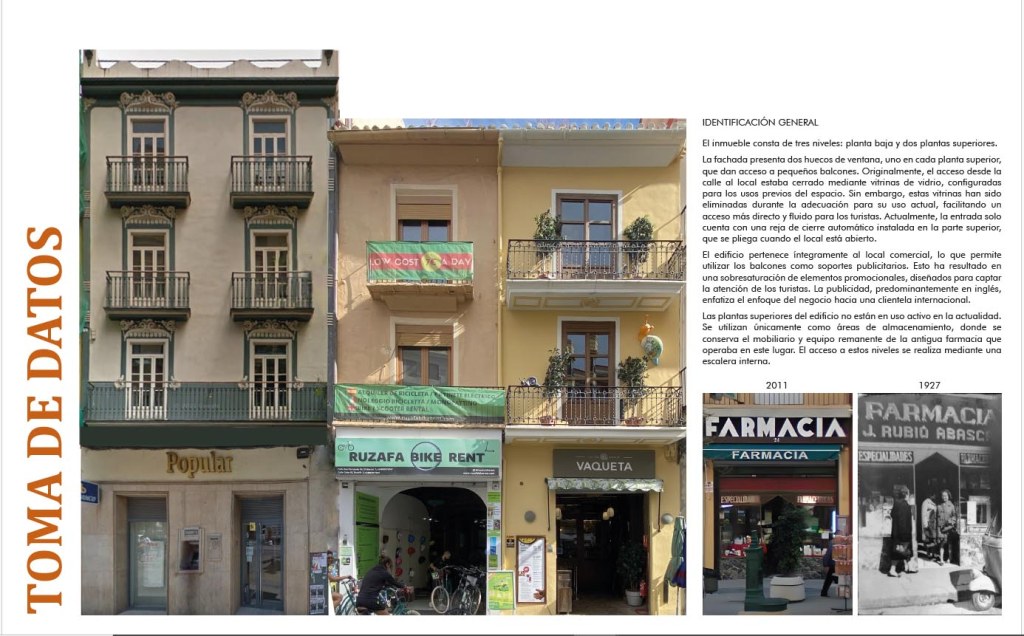
Conversely, there has been a notable proliferation of franchises offering bike rentals, vending machines, luggage storage services, souvenir shops, and even tourist accommodation — such as the case of Confecciones La Purísima on Calle Bolsería, which closed in 2020. This is not an isolated case: over the past ten years, more than twenty historic businesses have permanently closed their doors.
Architecture Master
This second activity within the ENACT-15mC project, carried out by students of the Master’s in Architecture, has provided a deeper analysis of historic businesses from various perspectives.
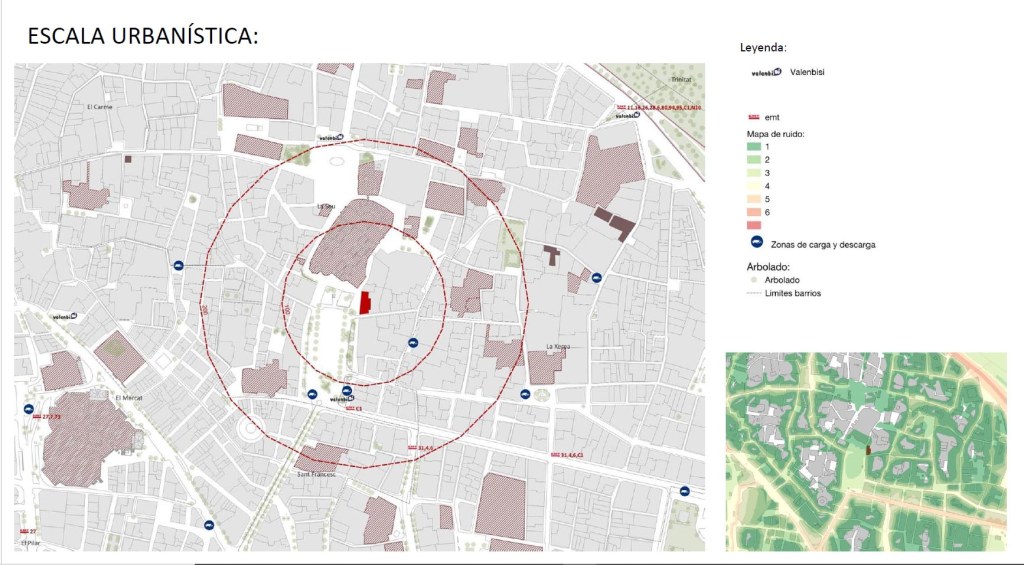
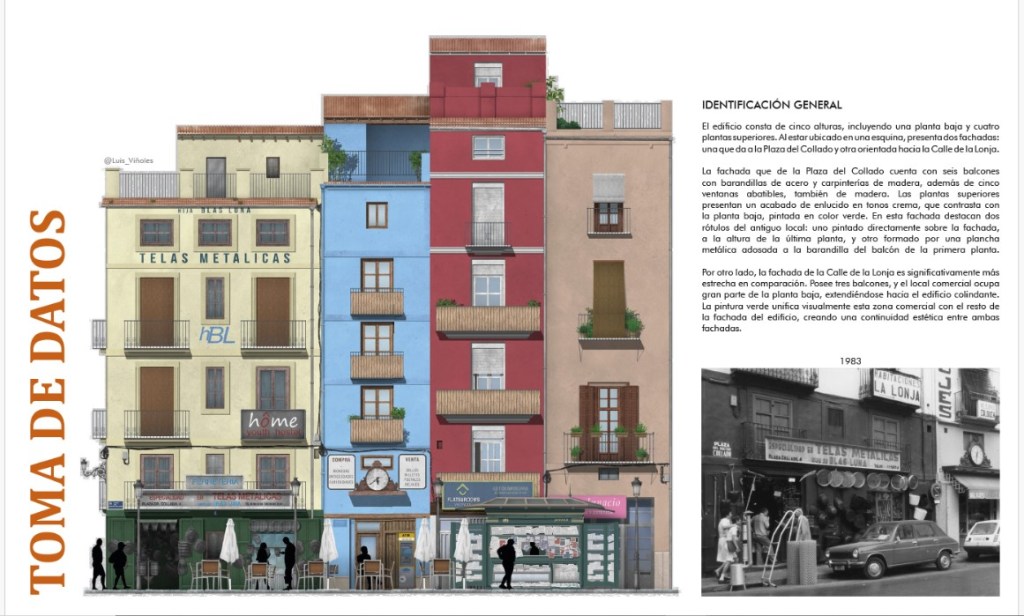
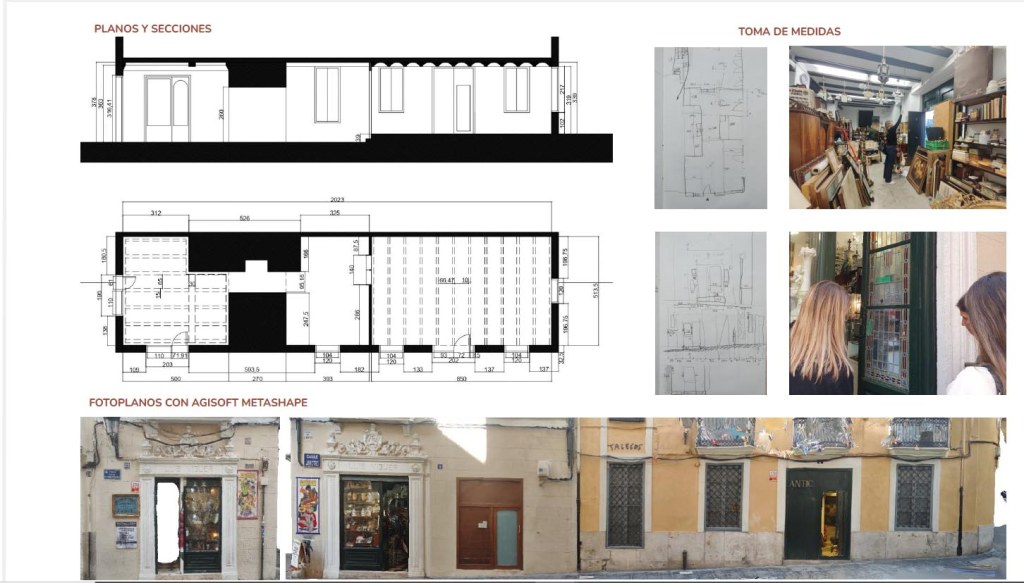
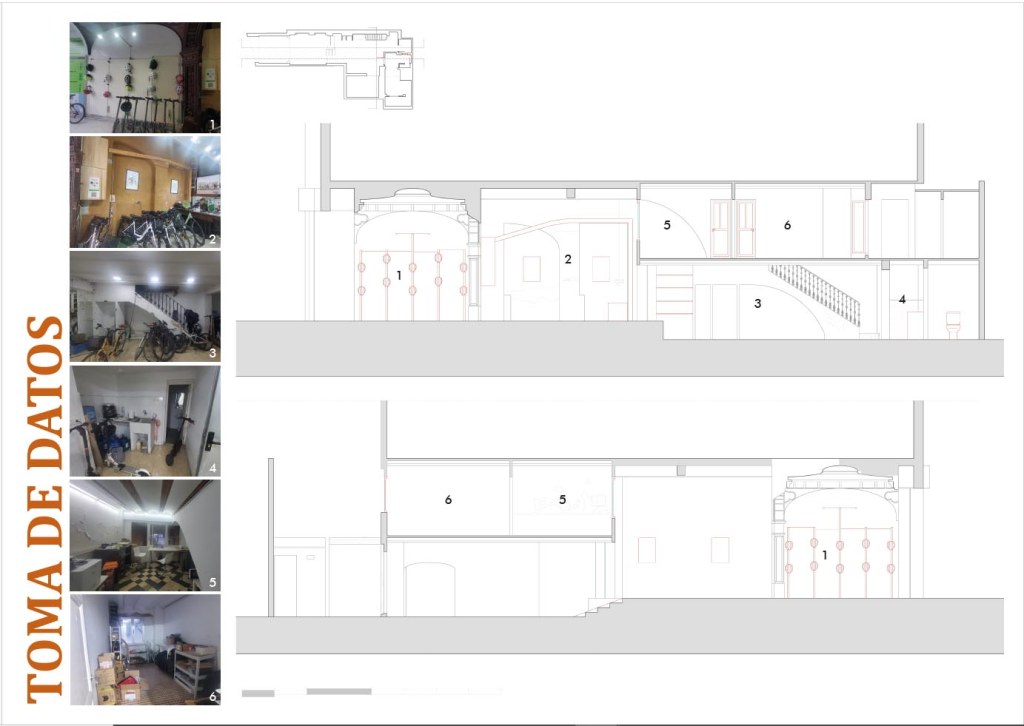
First, a larger number of businesses were selected, expanding the sample to include different economic and architectural typologies, as well as various periods of establishment, ranging from 19th-century establishments to businesses from the 1940s and 1950s. Each business was contextualized within its urban environment, identifying nearby areas, monuments and heritage elements, green spaces, educational centers, and more. Their interior spaces were then analyzed through planimetric surveys, photographs, and furniture assessments.
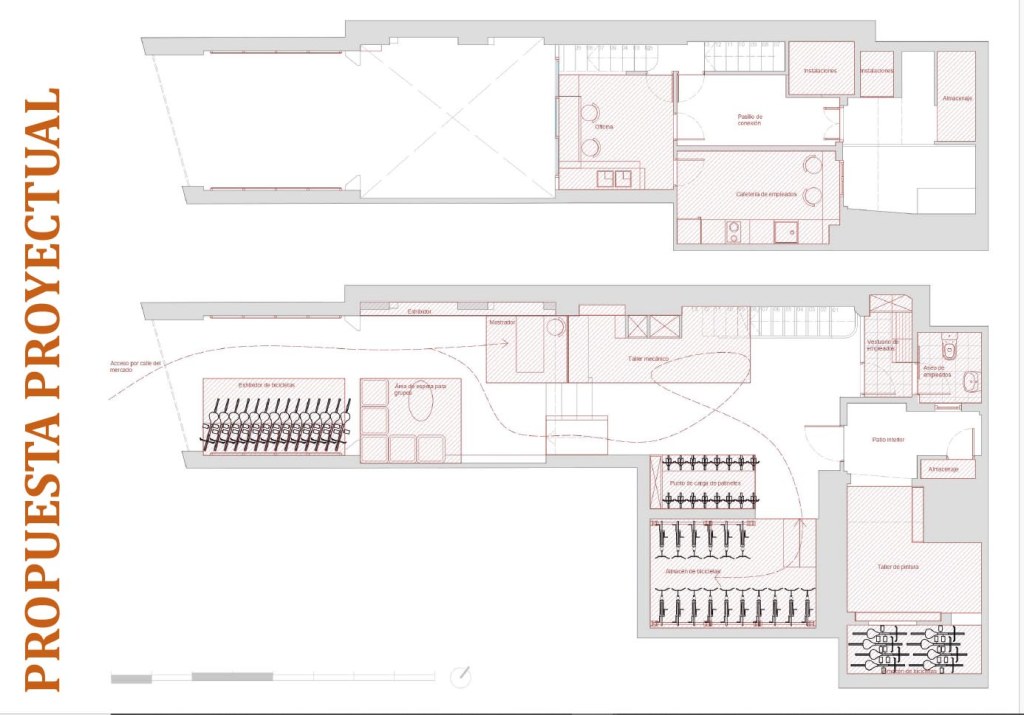
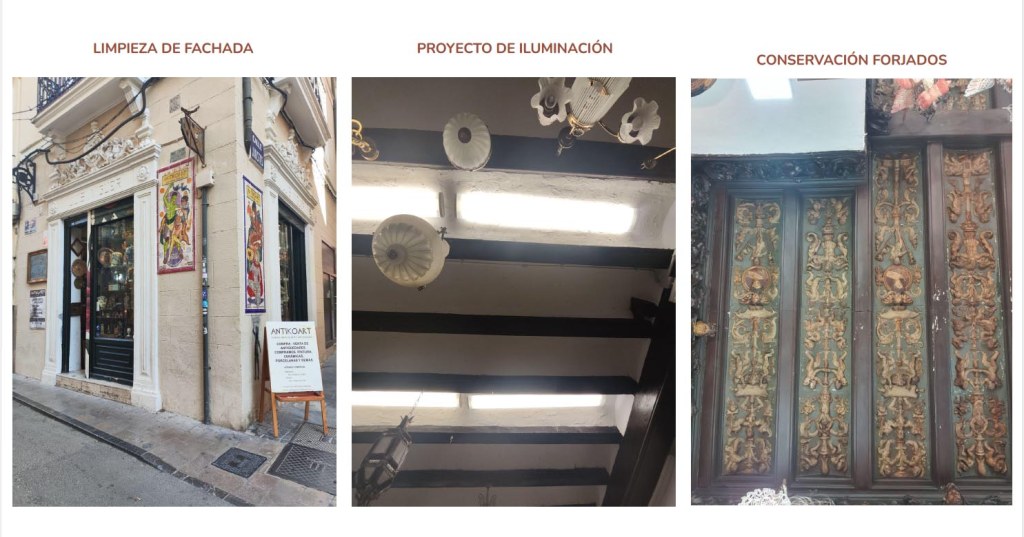
Finally, based on the diagnosis of each business’s condition, each group of students designed a proposal for improvement and conservation to enhance its value and ensure its long-term preservation.This collective work has served as a general and specific update on the current state of historic businesses, identifying which ones remain open, which have closed, and which have undergone transformations.



 ENACT 15 mC