Co-creation through physical modelling
Physical models have a long history of use for the design and communication of proposals to change built environments. This is one of the co-creation techniques that the Trondheim ULL set out to use and evaluate. For the 2025 Street Festival we built a model of Haakon VII Street at a scale of 1:100. Extending to over 4 metres in length, the model was focussed on the area around the Street Festival site. Participants could easily relate the model to what they could see around, making it easier to understand the model’s scale and areas for potential change.
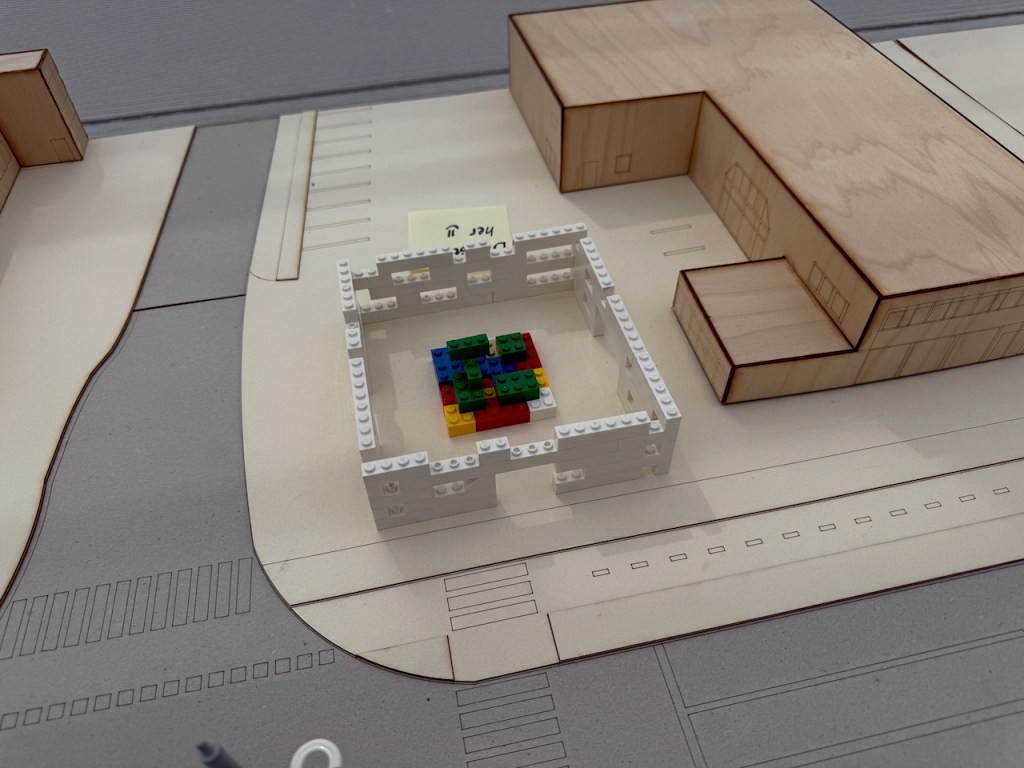
Several participants took up the opportunity to suggest interventions by using coloured Lego pieces. This gave a talking point to help us better understand the motivations behind people’s suggestions. Most centred on introducing areas of green landscaping and places for people to sit. But not everyone was dissatisfied with the current conditions either. We received several comments from people who were pleased with the footpaths and cycling infrastructure as well as the shops and sense of safety along the street.
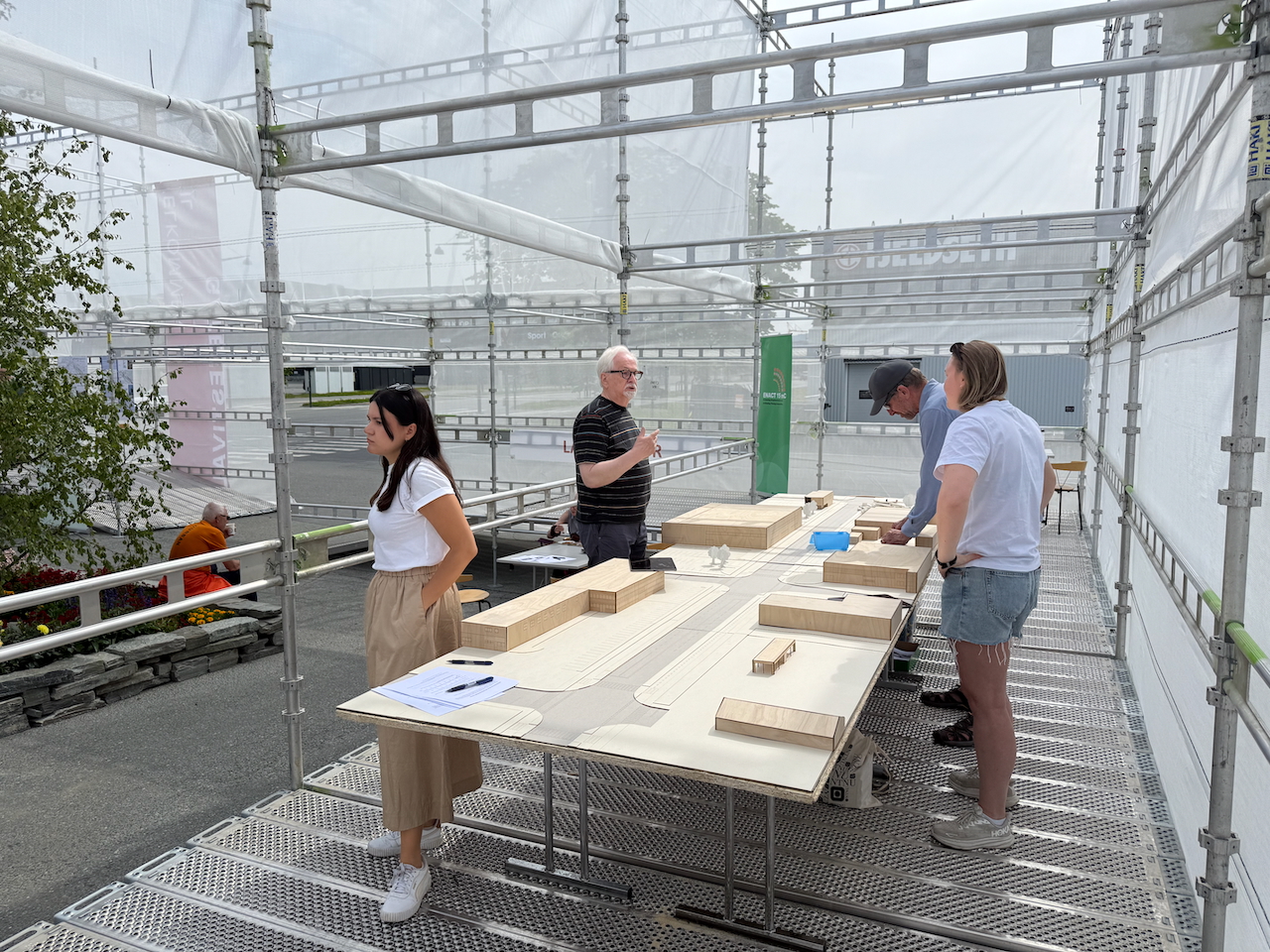
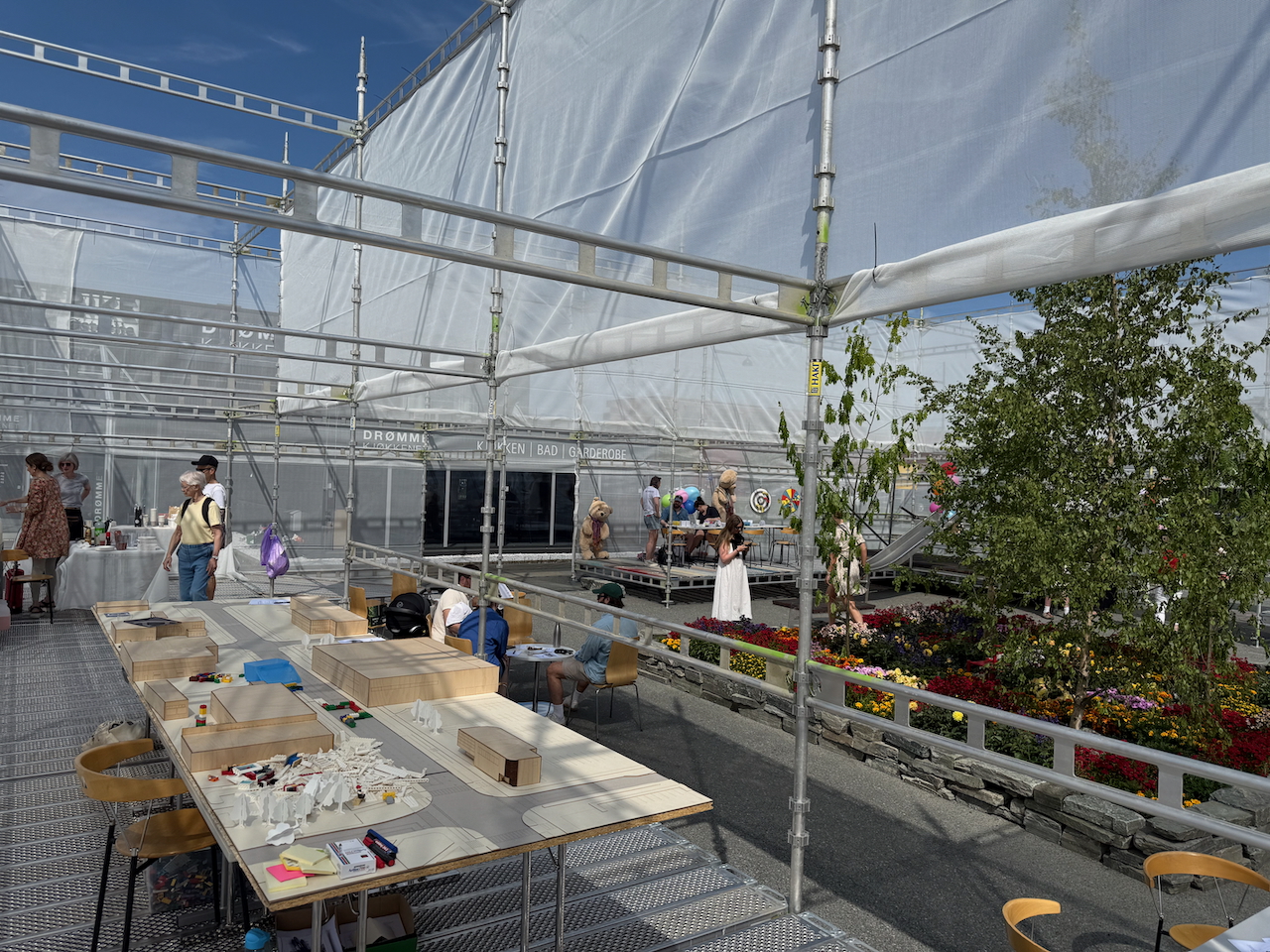
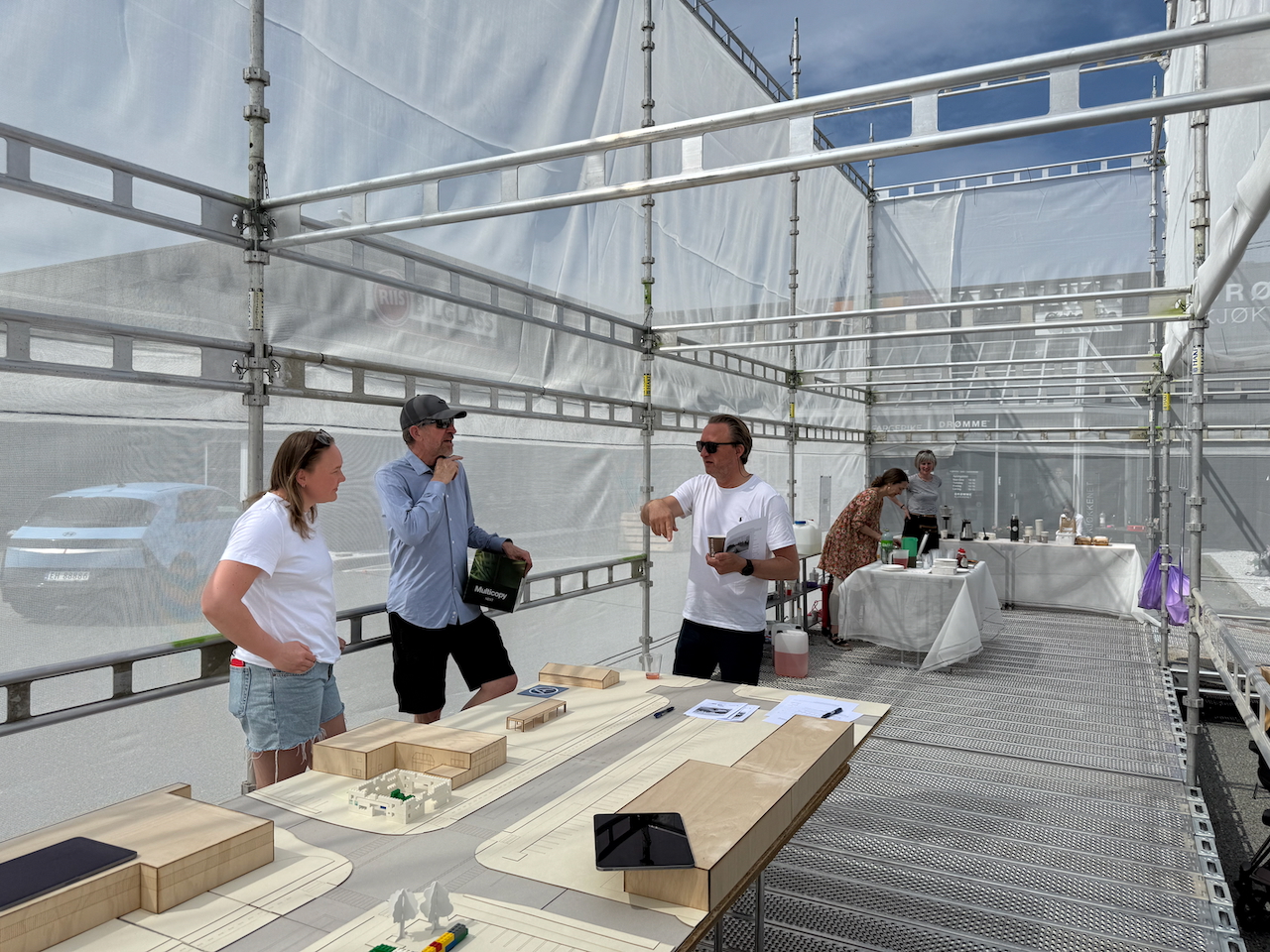
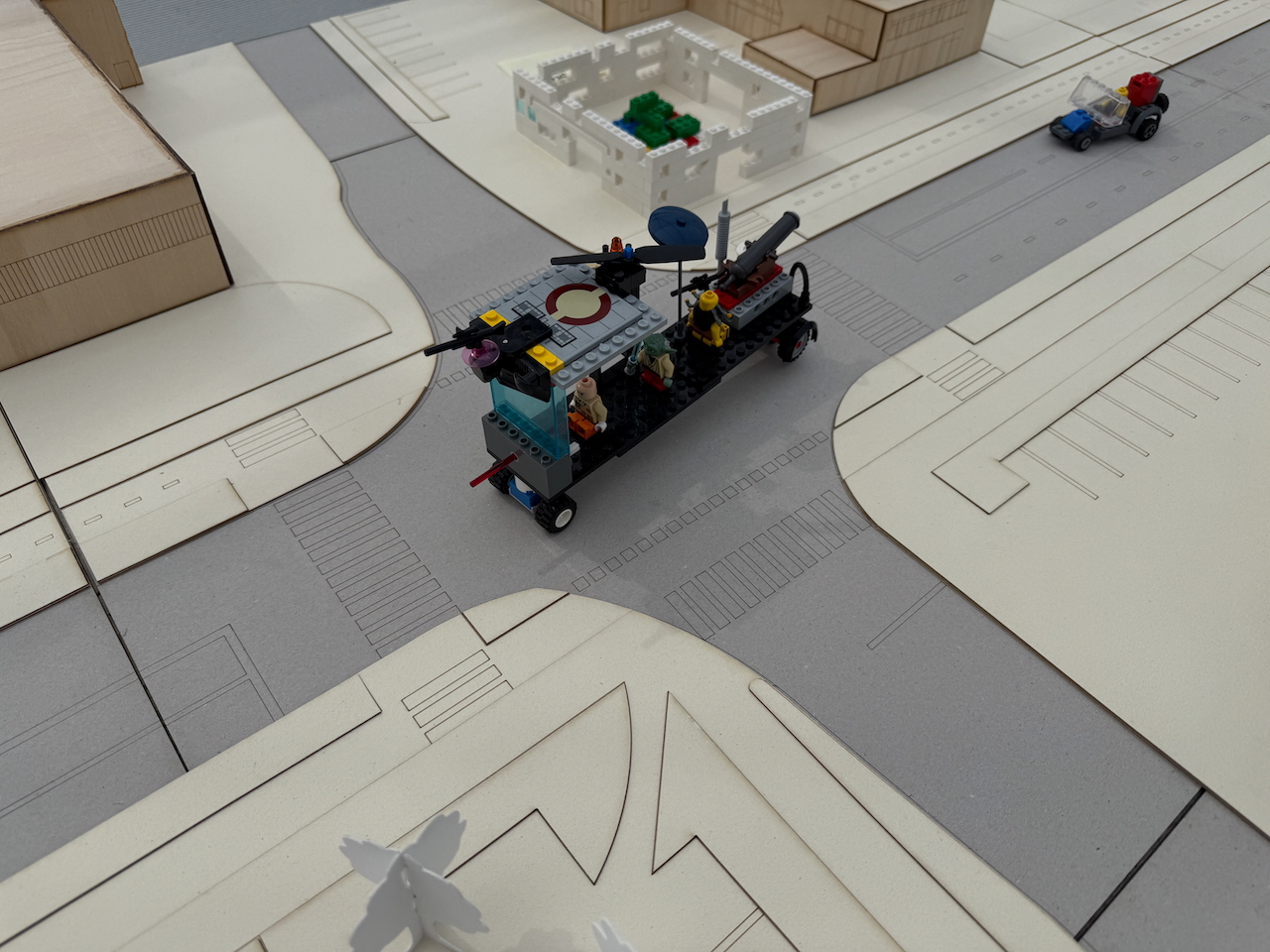
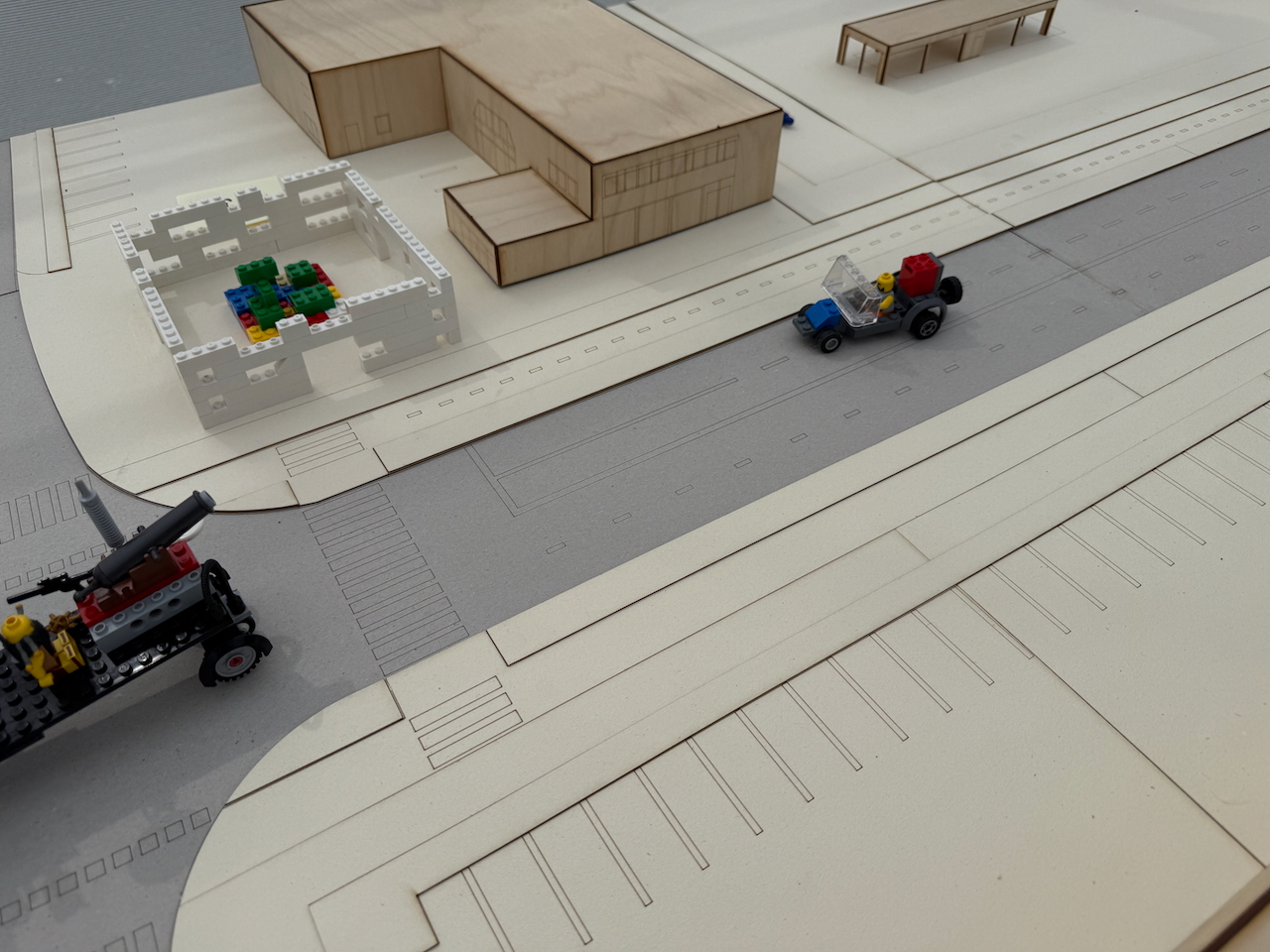

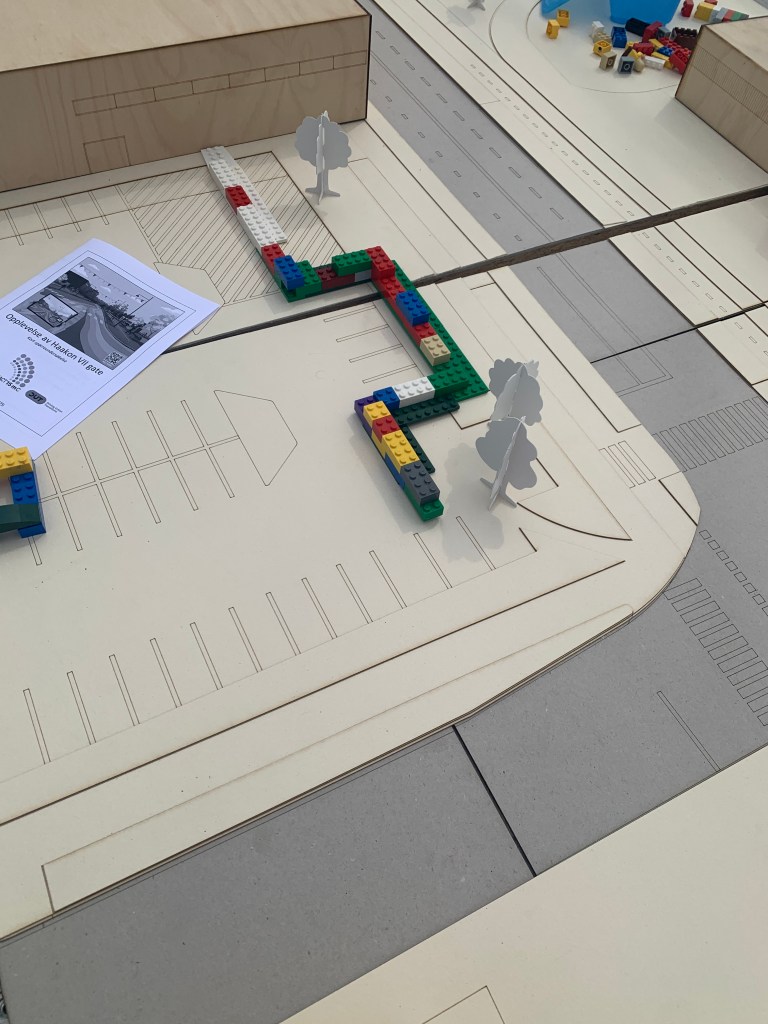

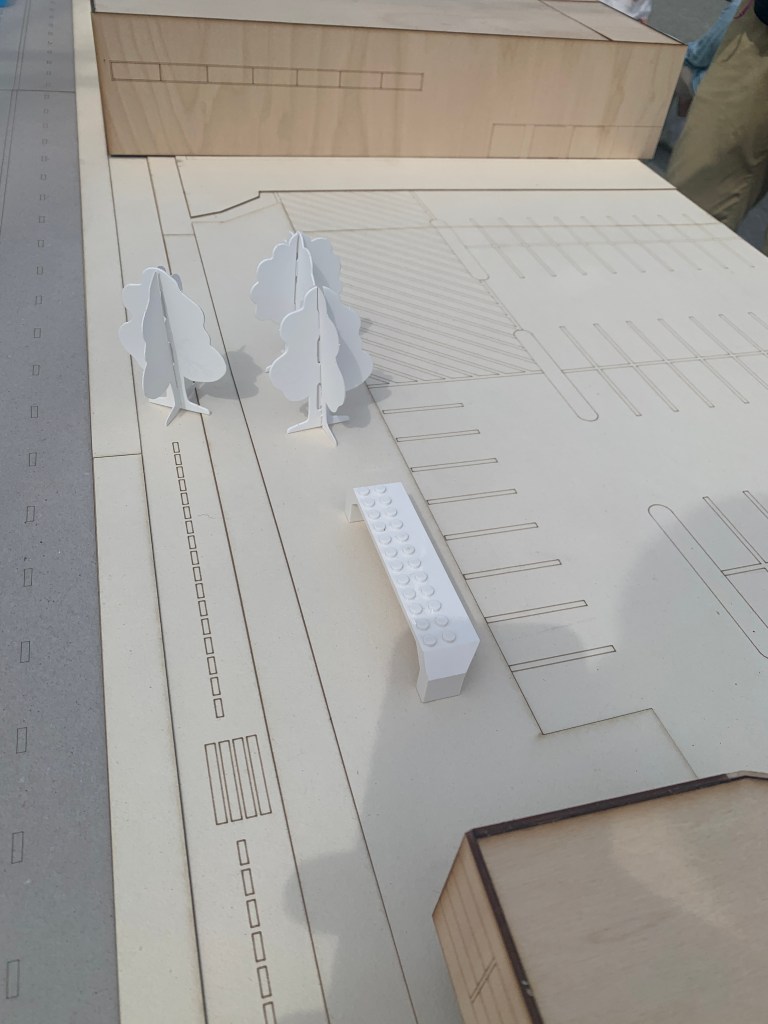
We asked people how the model affected their understanding of the street and its future potential.
“Awareness! (I could understand more of the street project)”
“I realised how large and unused the street space really is”
“The model is useful to show the current challenges along the street at the same time as showing where the opportunities lay”
“Very interesting to build on the model, all credit to the builders!”
The model and its use during the street festival have given us an excellent reference for comparing different public engagement and co-creation tools in the Trondheim ULL. This is a fine platform to take further into the following stages of our interrogation of Haakon VII street and its potential for change.
 ENACT 15 mC